Agricultural activity remains central to the design of the project.
Agriculture & agrivoltaism
Make energy a genuine asset for farming operations.
An agrivoltaic project must be designed around agricultural production. Solar installation is only relevant if it provides a demonstrable service and sustainably preserves the activity.
Regulatory information verified on June 24, 2026.
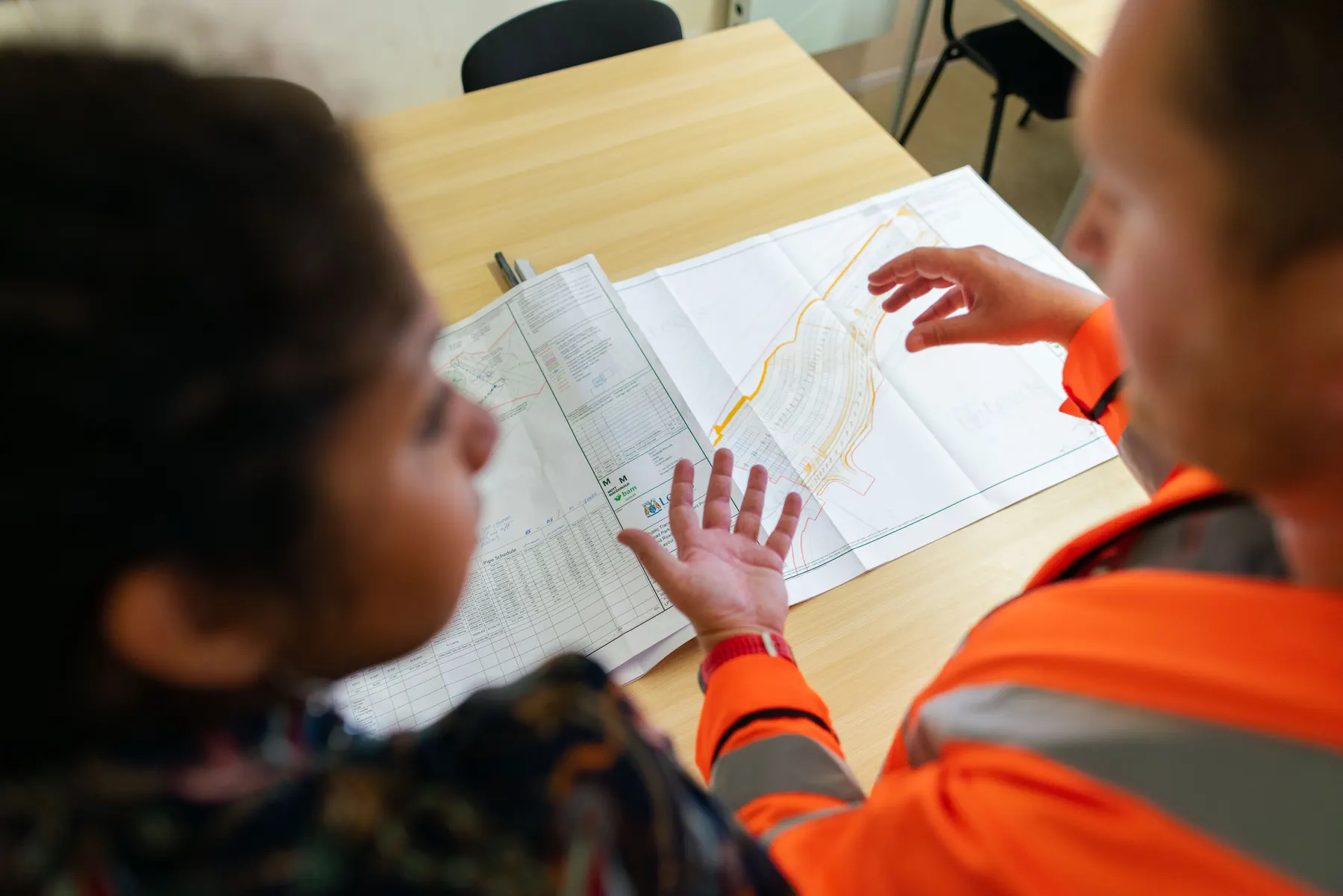
AYM ENERGIE study
What we check before recommending a solution.
Installable capacity is never the only criterion. The site, its use, the grid, local constraints and project economics must remain consistent.
Agricultural system
Crops, breeding, rotations, calendar, practices, mechanization and farm constraints.
Expected service
Protection against hazards, climatic adaptation, agronomic potential or animal welfare.
Solar installation
Height, density, spacing, orientation, steering, access and compatibility with machines.
Agricultural production
Maintaining significant production, control zones, indicators and monitoring protocol.
Reversibility
Dismantling, rehabilitation, foundations, impact on soils and evolution of operations.
Economic balance
Agricultural value, electricity production, costs, connection, operation and risk distribution.
Regulations & procedures
Rules to know before submitting the project.
The law defines agrivoltaism as a solar installation located on an agricultural plot and contributing sustainably to the maintenance or development of production. The decree of April 8, 2024 specifies the conditions of this qualification.
This information is general. The PLU, the protected sectors, the network manager and the characteristics of the site may modify the applicable procedures.
- Legal definitionThe modules must contribute sustainably to the installation, maintenance or development of agricultural production.
- At least one direct serviceThe project must provide at least one of the following services: improvement of agronomic potential, adaptation to climate change, protection against hazards or improvement of animal welfare.
- Agricultural production and incomeThe installation must guarantee significant agricultural production and a sustainable income from this production.
- Exclusion criteriaA substantial impairment of an agricultural service or certain incompatible characteristics prevent agrivoltaic qualification.
- Urban planning fileThe request must include detailed justifications demonstrating compliance with agrivoltaic conditions.
- Monitoring over timeThe design must make it possible to measure agricultural operations and verify the conformity of the project during its operation.
Recommended route
Transform an idea into a documented decision.
Describe the operation
Collect agricultural data, practices, yields and constraints.
Define service
Formulate the expected agricultural benefit and the indicators to demonstrate it.
Design the implementation
Adapt tables, heights, spacing, control and access to agricultural needs.
Compare with a reference
Provide control data and a relevant monitoring protocol.
Document compliance
Assemble the agricultural study, plans, assumptions and regulatory justifications.
Sources & original texts
Consult the official sources directly.
The links below open the official pages used to summarize the rules of this typology.
legifrance.gouv.fr
Article L. 314-36 of the Energy Code
Legal definition of the agrivoltaic installation and expected agricultural services.
Consult the official source ↗ legifrance.gouv.frDecree No. 2024-318 of April 8, 2024
Implementation conditions and detailed rules applicable to agrivoltaic projects.
Consult the official source ↗ legifrance.gouv.frJustification file in the planning authorization
Parts and demonstrations expected to justify compliance with agrivoltaic conditions.
Consult the official source ↗Regulatory content verified on June 24, 2026. Local rules, thresholds, deadlines and versions in force must be confirmed for each project.
Frequently asked questions
The first answers to frame the project.
No. The presence of agricultural activity is not enough. The project must respect the legal definition, provide a direct service and maintain significant agricultural production.
No. The design must start from the agricultural system and seek a demonstrable compromise between agricultural service, production and exploitation.
Plot plan, description of the farm, crops or livestock, equipment used, constraints, photos and initial connection data.
Do you want to qualify an agricultural project?
Present the farm, the plot and the agricultural service sought.